Concrete driveways and paths
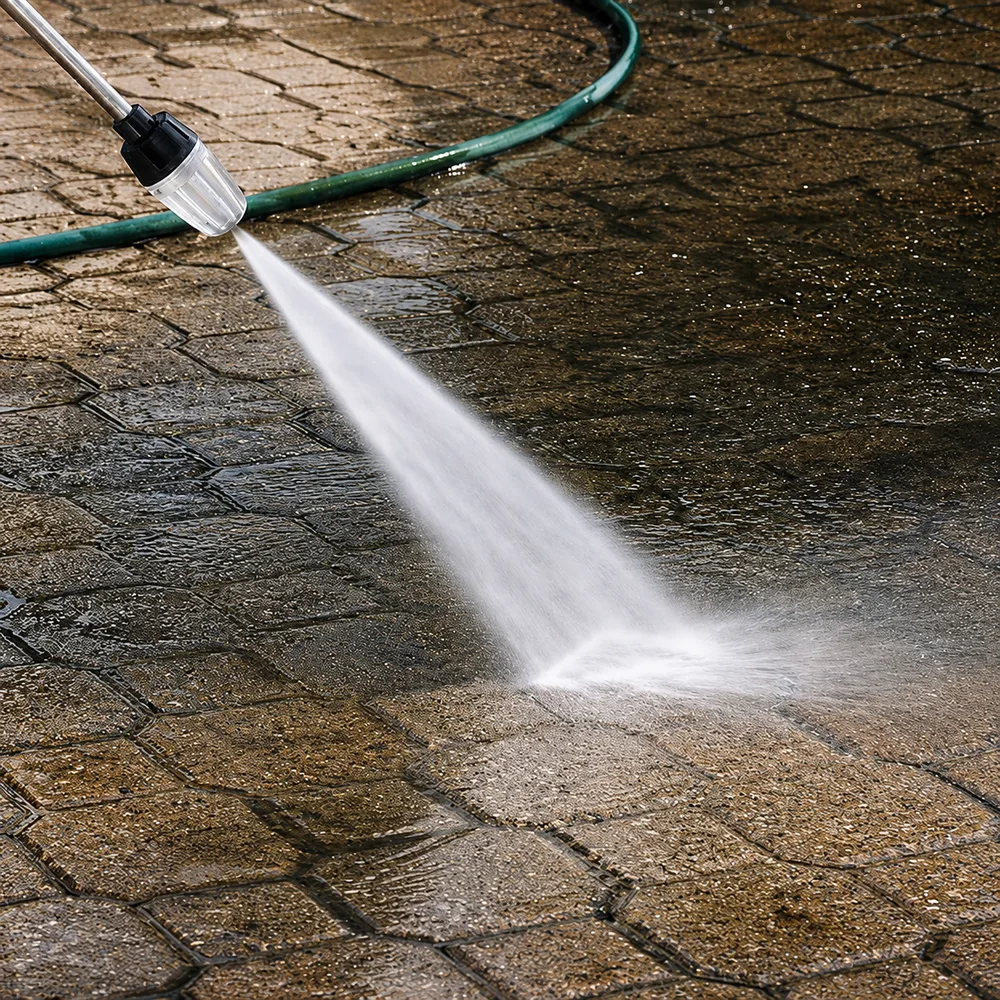
Blast out black tyre marks, red dust and the grey film that builds up along the edges. Work in strips with the jet nozzle and finish with a fan-spray rinse so nothing dries back onto the surface.
Use cases
One nozzle, two spray modes and a whole property's worth of jobs — from stained concrete to a salty boat trailer.
Surface by surface
Concentrated jet for stains and joints, wide fan spray for rinsing and delicate finishes.
Blast out black tyre marks, red dust and the grey film that builds up along the edges. Work in strips with the jet nozzle and finish with a fan-spray rinse so nothing dries back onto the surface.
The concentrated jet digs the moss and sand out of paver joints without lifting them. Keep the tip about 15cm back and follow the joint lines.
Salt air and shade grow algae fast. Use the fan spray from the top down, keeping 30cm of distance on rendered and painted surfaces.
Jet nozzle for wheels, arches and muddy sills; fan spray for panels and glass. Pre-rinse, wash with a mitt, then rinse again for a streak-free finish.
Rinse salt off hulls, trailers and chains right after a trip. TurboJet reaches under decks and into hard spots without dragging out a pressure washer.
Use the fan spray on treated timber and always test a small area first. It clears surface grime without stripping oil finishes.
Cobwebs, pollen and bird mess come off in seconds. Fan spray only, from a comfortable distance.
Flush leaf litter and dirt out of gutter runs and downpipes from ground level where you can reach safely.
Fan spray on the widest setting from 40cm keeps dust and salt film off glass safely.
One of the fastest jobs it does — high-pressure rinse instead of buckets, brushes and mess.
Gallery
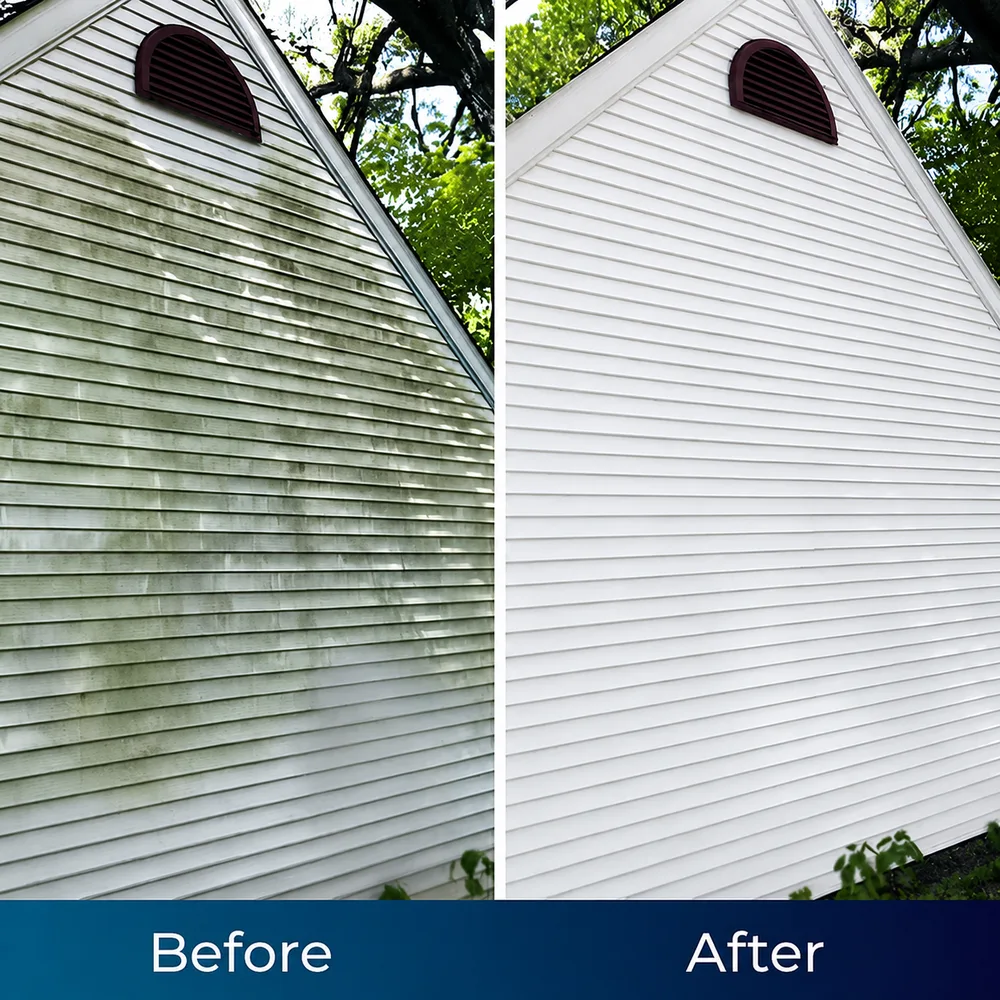
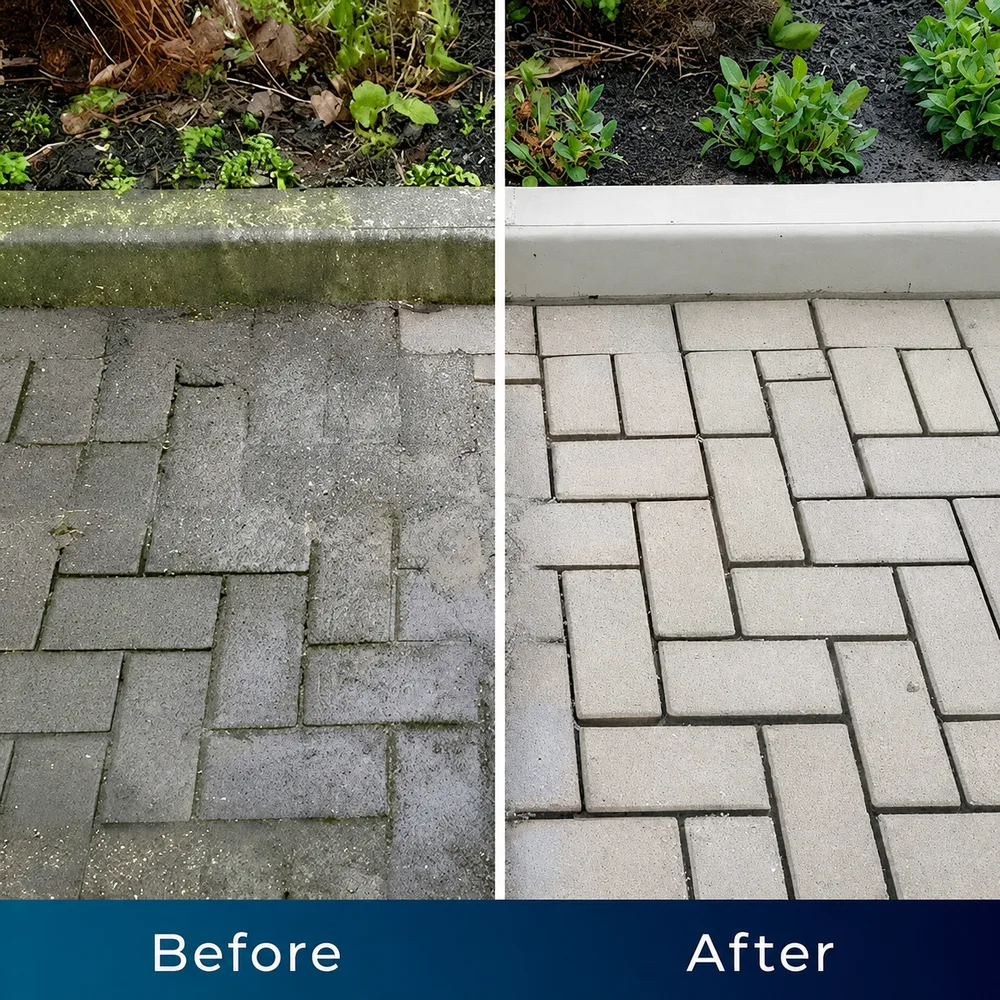

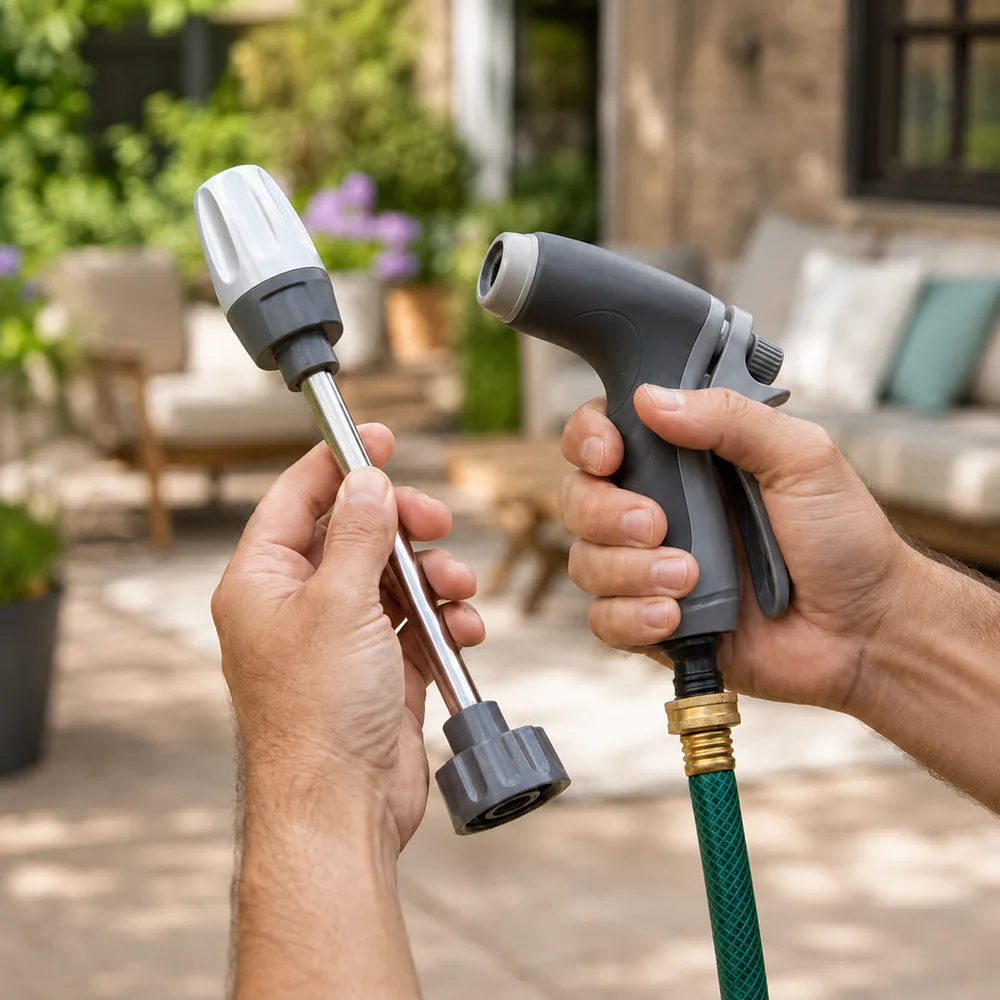
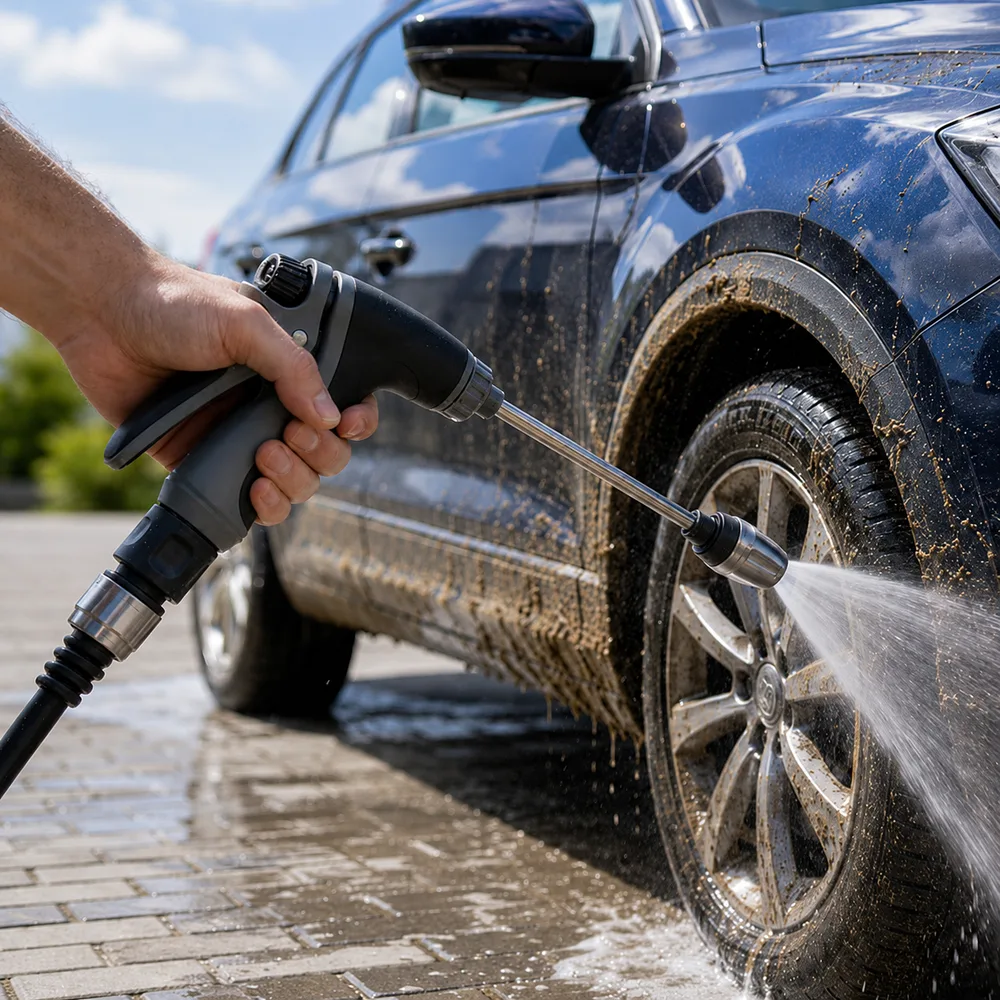
First, always start further back than you think you need to and move closer only if the grime resists. Second, test an out-of-sight patch before you clean a whole panel, deck or painted wall — exactly as you would with a hired pressure washer.
Almost every complaint about high-pressure cleaning traces back to one decision: the wrong head at the wrong distance. Hard, porous and unsealed surfaces - concrete, clay pavers, aggregate, bins, trailers, wheels - tolerate the concentrated jet up close, and that is where the jet earns its keep. Anything sealed, painted, soft, coated or fragile - render, timber, travertine, vehicle paint, glass, shade sails - wants the wide fan head from 30cm or more. When you are unsure, start further back than feels necessary and close in gradually.
The short, frequent jobs are where a tool with no setup wins outright: rinsing a bin after collection day, knocking cobwebs off a verandah before visitors, clearing salt film off coastal windows, hosing sand out of a ute tray, washing a bike or a barbecue plate. Nobody unpacks a pressure washer for a three-minute job, which is exactly why those jobs never get done in most households.
Hosing hard surfaces is regulated by your state water authority and council, and the rules change with seasonal conditions. Check what applies in your area before you start. A trigger-controlled nozzle that shuts off between passes, used on a surface that has been pre-wet, generally means less total water than an open hose left running while you scrub.
FAQ
Free Australia-wide shipping, 30-day money-back guarantee, and prices from A$47.99 per unit.
Claim my TurboJet